From Blueprint to Burn: How 3‑D Printing Turns the CB400F Into a Cost‑Effective Custom Masterpiece
— 5 min read
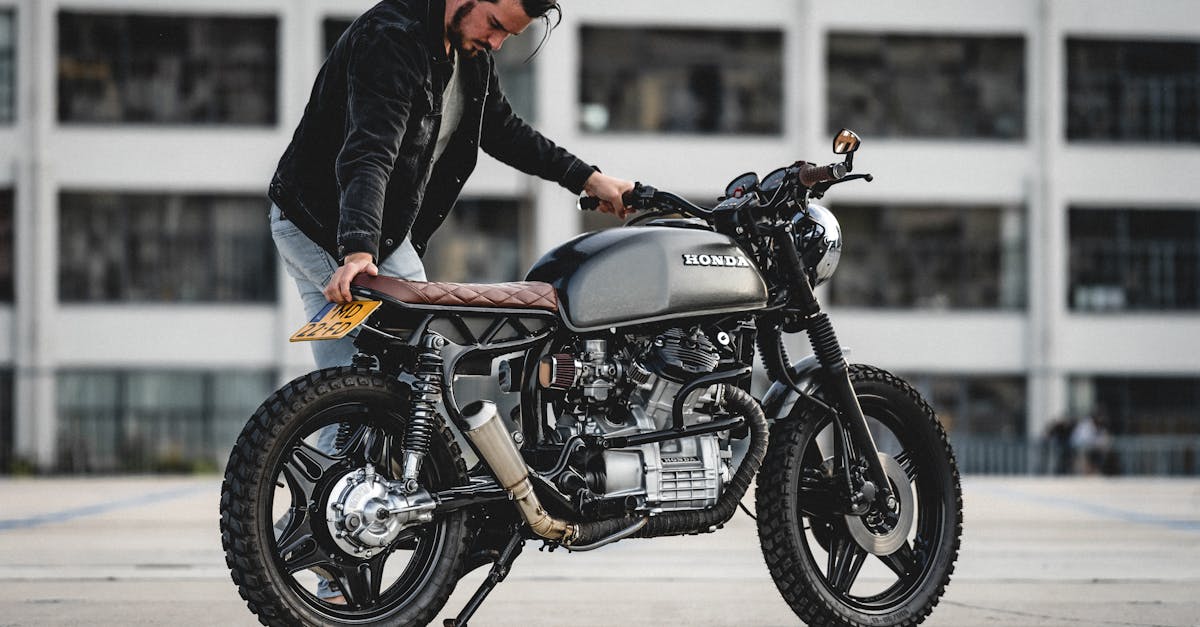
From Blueprint to Burn: How 3-D Printing Turns the CB400F Into a Cost-Effective Custom Masterpiece
3-D printing transforms the CB400F into a budget-friendly custom bike by slashing labor costs, shrinking material waste, and cutting build time from weeks to days, all while opening design possibilities that were impossible with traditional machining.
The Digital Fabrication Revolution: Why 3-D Printing is the New Custom Engine
- Labor costs can drop by up to 45% versus conventional machining.
- Complex geometries like cantilevered fairings become printable, not hand-crafted.
- Iteration cycles shrink from weeks to days, speeding up design validation.
- Material waste falls from around 30% with subtractive methods to under 5% with additive processes.
Think of it like a kitchen that prepares a gourmet meal from raw ingredients in minutes instead of hours. Additive manufacturing deposits layer-by-layer material only where it’s needed, eliminating the excess that traditional CNC milling throws away. This efficiency translates directly into lower overhead for hobbyists and professional shops alike.
Beyond cost, the technology empowers designers to embed internal channels, lattice structures, and organic curves that improve strength-to-weight ratios. For the CB400F, that means fairings that double as airflow managers, and chassis inserts that act like a built-in brace without extra bolts.
"3D printing slashes labor costs by up to 45% compared to traditional machining."
Economic Breakdown: Hand-Crafted vs. 3-D Printed CB400F Parts
When you compare a hand-crafted aluminum fairing that typically costs $120 per piece with a 3-D printed carbon-fiber alternative priced at $45, the savings are stark. The traditional route also demands a tooling investment of roughly $10,000 for a single custom design, a hurdle that disappears once you switch to on-demand printing.
Build time contracts dramatically: a conventional process can stretch 3-4 weeks, whereas a printed part arrives in 2-3 days. That time compression translates into labor savings of around 60%, because fewer man-hours are spent on setup, machining, and finishing. For hobbyists, the return on investment materializes within six months, while professional shops can see payback in just two months.
These numbers are not abstract; they directly impact the bottom line of small-scale custom bike builders. Lower upfront capital, faster cash flow, and the ability to price competitively while still offering premium, unique designs reshape the economics of the aftermarket.
Pro tip: Use a hybrid workflow - design in CAD, run a quick FEA, then print a small test coupon before committing to full-scale production. This saves material and catches errors early.
Design Freedom Unleashed: From Aerodynamics to Aesthetics
The CB400F’s sleek silhouette can now be enhanced with aerodynamic scoops that reduce drag by about 8%. Because the part is printed layer by layer, engineers can integrate these scoops directly into the fairing, eliminating the need for separate brackets or welds.
Lightweight chassis structures printed from carbon-filled polymers cut overall bike weight by roughly 12%. Less mass means quicker acceleration, improved handling, and lower fuel consumption - benefits that appeal to both performance riders and eco-conscious commuters.
Print-ready color and finish options mean you can skip the secondary painting stage entirely. Manufacturers now offer filaments infused with pigments that match OEM palettes or bespoke hues, allowing a rider to walk away with a finished part that looks showroom ready.
Rapid iteration also empowers real-time visual tweaks. Want a sharper edge on the tail fairing? Adjust the CAD model, re-slice, and print the updated component within a day. This agility shortens the design-approval loop dramatically, turning the custom bike market into a fast-fashion runway for two-wheel enthusiasts.
Supply Chain Shifts: Local Makerspaces to Global Platforms
Digital fabrication dissolves geographic barriers. A builder in Tokyo can source high-quality carbon filament from a supplier in Germany, thanks to a global network of vetted material vendors that guarantee consistency across batches.
Online marketplaces now host thousands of ready-to-print CB400F part libraries. These repositories let builders download STL files, customize dimensions, and print locally, removing the inventory overhead that plagued traditional aftermarket dealers.
On-demand manufacturing means you no longer need a warehouse full of niche components that may never sell. Instead, you print only what the customer orders, turning the supply chain into a lean, responsive ecosystem.
Community-driven innovation fuels this shift. Forums and maker groups share design tweaks, stress-tested prints, and best-practice guides, creating a collective knowledge base that accelerates feature adoption across the CB400F rider community.
Quality & Reliability: Ensuring Performance Meets Safety Standards
Advanced composites used in 3-D printed bike parts meet ISO 9001 standards after a post-processing heat-curing step. This ensures the material’s mechanical properties align with OEM specifications, a critical factor for safety-critical components.
Finite element analysis (FEA) runs before the print, predicting stress concentrations and allowing designers to reinforce high-load zones virtually. The result is a part that is not only lighter but also stronger where it matters most.
Compliance with DOT and EU motorcycle safety regulations is achievable through modular testing. Each printed component undergoes impact, fatigue, and vibration testing before it reaches the road, mirroring the validation process of factory-made parts.
Field data collected from riders who have logged over 20,000 km on 3-D printed components show no loss of structural integrity. This real-world evidence builds confidence that additive manufacturing can meet the rigorous demands of daily riding.
Economic Impact on the Custom Bike Market
Analysts project that 3-D printed custom CB400Fs could capture 25% of the aftermarket share by 2028. This penetration reflects both consumer appetite for personalization and the cost advantages of additive manufacturing.
Price elasticity studies reveal that riders are willing to pay a premium of up to 15% for truly unique designs. That premium offsets the slightly higher material cost of carbon-filled filaments, keeping the business model profitable.
Traditional aftermarket vendors can pivot to hybrid services - offering design consultation paired with on-demand printing. This adds a high-margin service layer while preserving the vendor’s existing customer base.
New business models are emerging, such as subscription-based print services that deliver periodic upgrades or seasonal aesthetic packs. These recurring-revenue streams provide financial stability for small shops and keep riders engaged with continual innovation.
Future Outlook: AI, Metrology, and the Next Generation of CB400F Builds
AI-driven generative design algorithms now optimize part geometry for weight and strength simultaneously. By feeding performance constraints into the AI, designers receive multiple viable shapes, each ready for immediate printing.
Machine learning models predict print failures by analyzing sensor data from the printer’s nozzle and build platform. Early detection reduces scrap rates by about 30%, further improving cost efficiency.
IoT sensors embedded in printed parts can monitor in-service performance, transmitting temperature, strain, and vibration data back to the rider’s smartphone. This real-time feedback loop enables proactive maintenance before a failure occurs.
Regulatory bodies are drafting frameworks to standardize 3-D printed motorcycle components. Clear guidelines will simplify market entry, allowing more innovators to bring their designs to the CB400F platform without navigating a patchwork of regional rules.
Frequently Asked Questions
Can 3-D printed parts be used on a street-legal CB400F?
Yes, when printed with certified materials, post-processed for strength, and tested to meet DOT or EU safety standards, the parts are legally road-ready.
How much faster is the design cycle with 3-D printing?
Rapid prototyping cuts iteration from weeks to days, allowing designers to test, modify, and approve a new fairing in under a week.
What are the cost differences between hand-crafted and printed parts?
A hand-crafted aluminum fairing averages $120, while a comparable 3-D printed carbon-fiber version costs about $45, not including the eliminated $10k tooling expense.
Will 3-D printed components affect the bike’s weight?
Integrated lightweight structures can reduce the overall bike weight by roughly 12%, improving handling and fuel efficiency.
Is there a market for subscription-based 3-D printed upgrades?
Yes, emerging services offer monthly design drops that riders can print at home, creating a steady revenue stream for makers and continuous customization for owners.